How Florists Track Their Fastest Selling Flowers
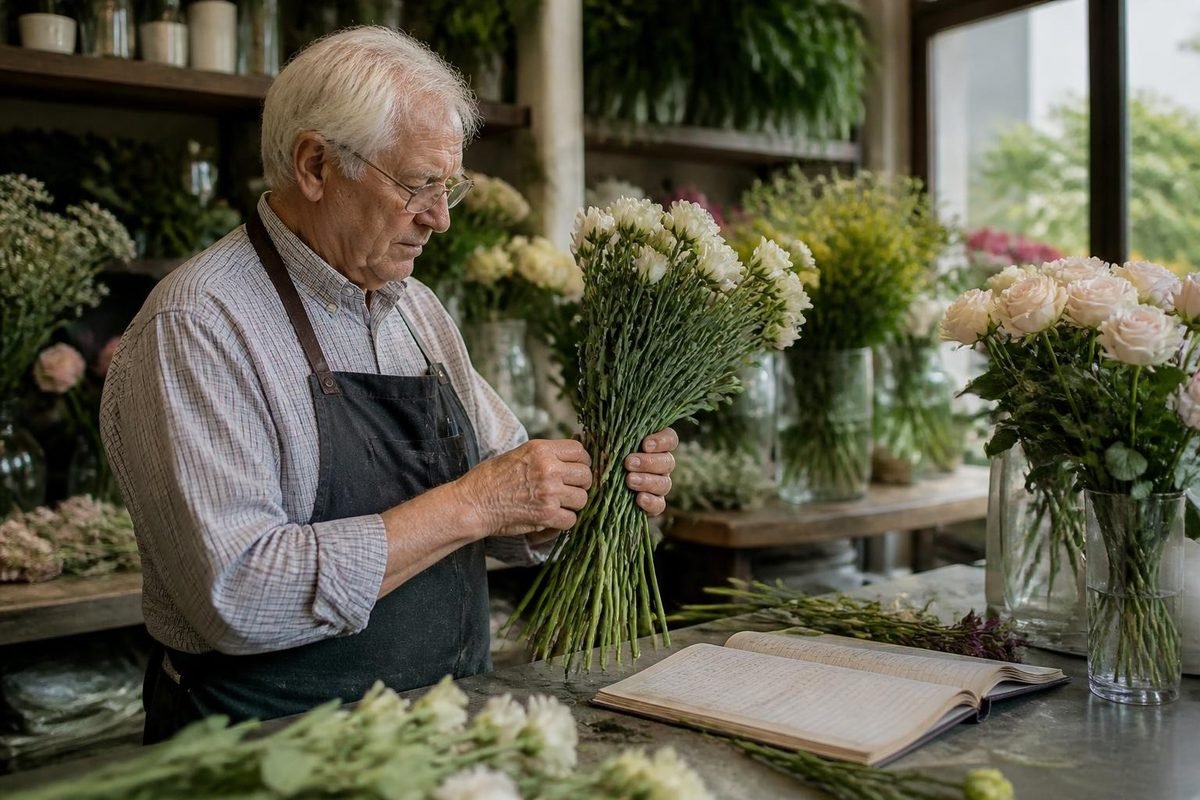
Florists track fast selling flowers by comparing sales records with the stock available over a set period. They also check inventory and waste, because a flower that sells often is not necessarily the one that moves through the shop fastest.
Start with sales records
A florist can record each sale in a point of sale system, spreadsheet, or written log. The useful details are the flower type, quantity, and date sold. Color, stem length, and variety can help when a shop stocks several versions of the same flower.
Individual stems are usually easier to count than mixed bouquets. For arrangements, a florist can record the stems used in each design or estimate usage from a recipe. If a bouquet recipe changes, the record needs to change too, or the sales figures may not reflect what was actually used.
Looking at the same period each week makes comparisons more useful. A florist might review sales every Monday and compare the previous seven days with earlier weeks. Holidays and large events deserve a note because they can produce unusual demand.
Compare sales with stock
The number of stems sold shows volume, but it does not tell the whole story. A shop might sell many roses simply because it keeps many in stock. To see how quickly a flower moves, the florist can compare stems sold with the number available during the period.
For example, if 18 of 20 stems sell in a week, most of that stock has moved. If 30 of 100 stems of another flower sell in the same week, the second flower has sold in greater numbers but a smaller share of its stock.
Records are most helpful when they account for more than customer sales. Florists can note:
- Stems received from suppliers and the date they arrived.
- Stems sold on their own or used in arrangements.
- Flowers discarded because they were damaged or past their best.
- Stock remaining at the end of the review period.
Use the results to plan orders
Sales and waste records can guide the next order. A florist who repeatedly sells out of a particular flower early may decide to order more. If stems regularly remain unsold and are discarded, a smaller order may be sensible.
Patterns need context. Availability, weather, local events, and seasonal celebrations can affect both supply and demand. A busy week alone does not prove that a flower will sell at the same pace all year. Keeping notes alongside the numbers makes later comparisons more reliable.
Questions about tracking flower sales
Do florists need special software?
No. A spreadsheet or a consistent paper record can track sales and stock. Software can make recording and reviewing larger volumes easier.
How often should stock be checked?
Regular checks help catch gaps between recorded and actual stock. The best schedule depends on the shop and how quickly its inventory changes.
Are best selling flowers always the most profitable?
No. Profit also depends on purchase costs, waste, labor, and other expenses. Sales speed alone does not show how much a flower earns.
On the same subject: church flower customs